Why Tidewater Boats Is Better Than Sea Hunt Boats
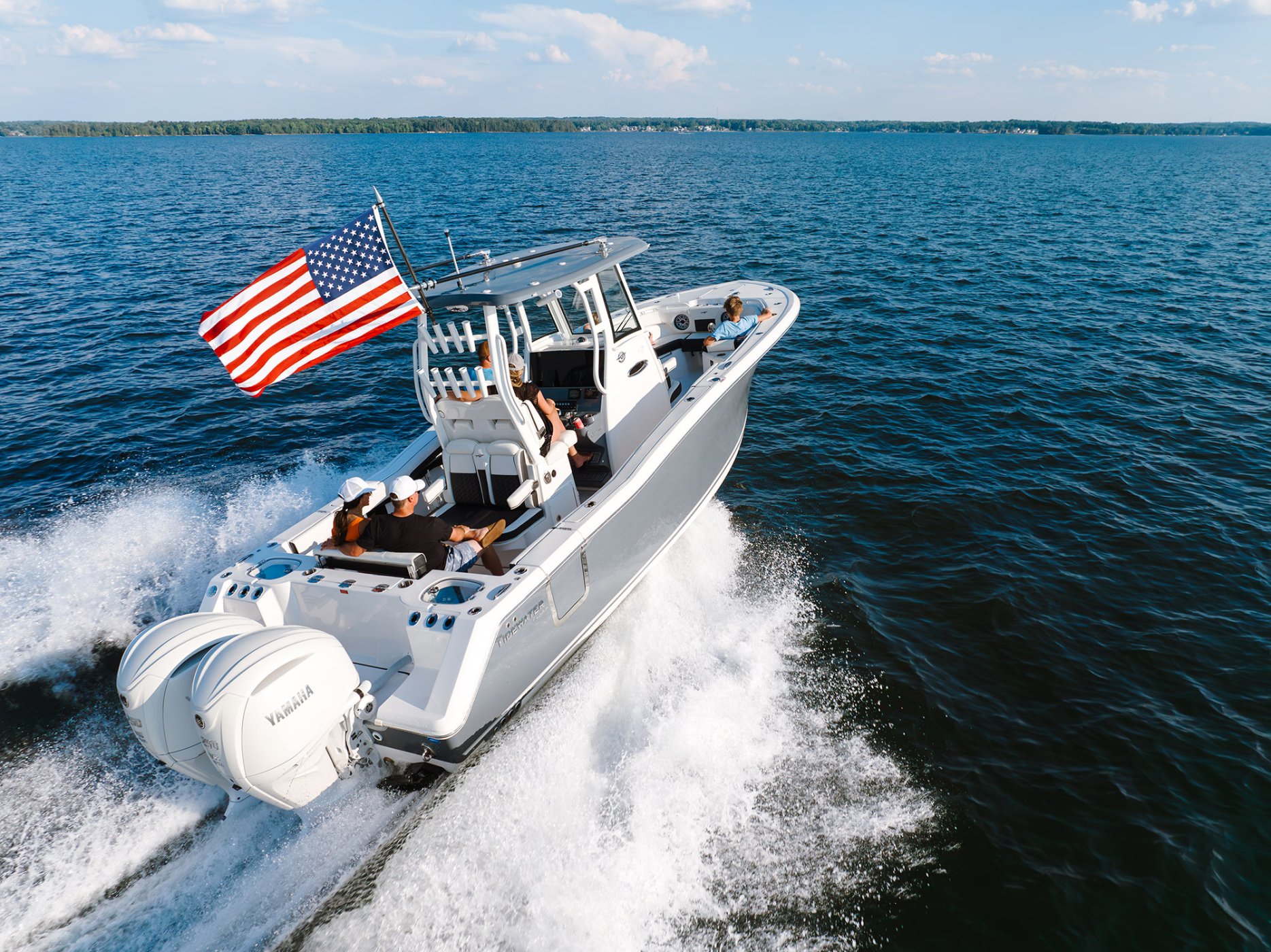
A detailed, real-world comparison for serious offshore & bay boat buyers
Tidewater vs Sea Hunt is one of the most common comparisons serious offshore and bay boat buyers make along the Texas Gulf Coast. Buyers asking this question are usually trying to cut through marketing noise and understand real differences in hull design, ride quality, construction, and long-term ownership.
But they are not built for the same buyer—and that difference becomes obvious once you understand hull design, construction priorities, ride characteristics, and long-term ownership realities.
This article breaks it down clearly, without brand hype, so you can make the right decision for how you actually boat.
Tidewater vs Sea Hunt Hull Design & Ride Quality
If you run offshore—or plan to—this is where the gap starts. This difference is the core of the Tidewater vs Sea Hunt debate.
Tidewater designs their hulls with a deeper, more aggressive deadrise, particularly toward the transom and forward entry. That translates directly into how the boat behaves when seas stack up, wind kicks in, or conditions change unexpectedly.
What Tidewater Does Better
- Deeper V hulls for wave penetration
- More aggressive forward entry to soften re-entry
- Better weight distribution for offshore stability
- Maintains plane at lower speeds in chop
How That Feels on the Water
- Less pounding
- Less passenger fatigue
- More confidence at speed
- Safer ride when weather turns
Sea Hunt hulls, by contrast, are flatter by design. This helps with:
- Faster planing, (when the Tidewater model doesn’t have stepped Hull)
- Slightly better fuel economy at low cruise
- Lower production cost
But offshore or in bay chop, a flatter hull:
- Slaps more
- Transmits impact through the deck
- Forces you to slow down sooner
Real-world takeaway:
In Texas Gulf chop, Tidewater rides noticeably softer and stays composed longer. This isn’t theory, it’s something experienced buyers feel immediately.
Construction Philosophy & Structural Integrity
Both brands use fiberglass stringer systems and foam flotation. The difference is how much material is used and where.
Tidewater builds heavier—and intentionally so.
Tidewater Construction Advantages
- Thicker fiberglass layup in high-stress areas
- More substantial stringer grid
- Heavier overall hull weight for offshore stability
- Less flex under load
Sea Hunt builds efficiently. Their goal is to produce a reliable boat at a competitive price point, and they succeed at that. But lighter construction has tradeoffs:
- More vibration offshore
- Less forgiveness in rough conditions
- More wear showing over time
This matters most after year 3–5, when boats start to separate themselves based on build quality rather than showroom appearance.
Fit, Finish & Component Quality
This is where many buyers first notice the difference—even before leaving the dock.
Where Tidewater Pulls Ahead
- Higher-grade stainless hardware
- Better hatch fitment and gasketing
- Cleaner wiring and plumbing behind panels
- Upholstery that holds shape and stitching longer
Sea Hunt interiors are attractive when new. But they’re designed to meet a price target. Over time, owners often notice:
- Cushions softening sooner
- Hinges and latches loosening
- Minor cosmetic wear showing faster
If you trade every few years, this may not matter. If you plan to own long-term or protect resale, it absolutely does.
Layout, Fishability & Offshore Function
Both brands offer smart layouts. The difference is intent.
Tidewater layouts are designed by people who fish offshore regularly.
Tidewater Advantages for Anglers
- Deeper cockpits for security offshore
- Larger front fish deck
- Larger, better-finished fish boxes
- More usable tackle storage
- Clean deck space when fighting fish
- Leaning posts designed for actual use, not just looks
Sea Hunt leans more toward family-friendly versatility:
- Comfortable seating
- Good storage
- Easy boarding
That’s not a flaw—it’s a choice. But if offshore fishing is the priority, Tidewater’s layouts simply work better when it counts.
Tidewater vs Sea Hunt Performance in Real Texas Gulf Conditions
In real-world testing, the Tidewater vs Sea Hunt performance gap becomes obvious when conditions build.
Sheets don’t tell the full story. The Texas Gulf is not forgiving, and boats that feel fine in calm water can struggle when conditions build.
Tidewater Offshore Performance
- Tracks straighter in quartering seas
- Re-enters waves softer
- Handles heavier loads without feeling sluggish
- Keeps passengers comfortable longer
Sea Hunt Offshore Performance
- Performs well in light to moderate conditions
- Feels quicker to plane
- Requires more throttle management as seas build
Experienced buyers often say the same thing after riding both:
“The Tidewater just feels more solid.”
That’s not marketing—it’s physics.
Ownership Experience & Long-Term Durability
This is where Tidewater quietly separates itself.
Over years of ownership:
- Heavier boats age better
- Better hardware reduces maintenance headaches
- Structural rigidity prevents small issues from becoming big ones
Sea Hunt owners are generally happy—but many upgrade later, often to Tidewater or a similar offshore-focused brand, once their boating style evolves.
Resale Value & Brokerage Market Reality
From a brokerage standpoint, this is clear.
Tidewater boats:
- Sell faster on the used market
- Command stronger resale pricing
- Attract more experienced buyers
Sea Hunt resale is solid, but:
- More price-sensitive
- More dependent on condition and motor hours
- Attracts more first-time buyers
If resale protection matters, Tidewater holds its value better!
Tidewater vs Sea Hunt Price Difference: Is Tidewater Worth It?
Yes—if you use the boat the way it’s designed.
You’re paying for:
- A softer ride
- Heavier construction
- Better long-term durability
- Stronger resale value
- Far stronger Lifetime warranty, (3) year accessory, (1) year on Powder Coat, Gel Coat & no blistering.
You are not paying for a badge. You’re paying for engineering decisions that show up every time the water gets rough.
Final Verdict: Which Boat Is Right for You?
Choose Sea Hunt If:
- Budget is the primary driver
- You boat mostly on calm days
- Family cruising is the top priority
- You’re a first-time offshore buyer
Choose Tidewater If:
- You fish regularly
- Ride quality matters
- You run when conditions aren’t perfect
- You plan to keep the boat or protect resale
- You want confidence at speed in real water
That’s the honest difference—and why Tidewater is considered the better boat by experienced buyers.
For buyers who regularly face real water and real weather, the Tidewater vs Sea Hunt comparison comes down to ride quality, construction, and long-term confidence.